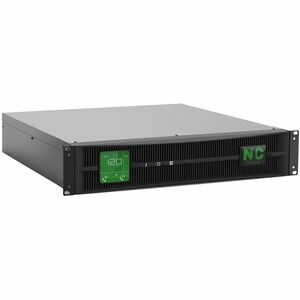
According to Uptime Institute, UPS system failures are the #1 cause of unplanned downtime, costing organizations an average of $740,357 per incident. While UPS systems are a necessity for keeping power up and running without any hiccups, many facilities think of UPS maintenance as an afterthought.
Winter intensifies this risk as power outages spike during December through February, battery capacity drops in cold temperatures, and reduced holiday staffing can slow emergency response.
Whether you manage a hospital, data center, or manufacturing facility, proper UPS maintenance with winter preparation prevents costly power failures.
What Is UPS Maintenance and Why Does It Matter?
UPS maintenance is all of the preventative and predictive tasks that keep your Uninterruptible Power Supply system operating at peak performance. Regular maintenance helps you identify and resolve potential issues before they become a reality.
Research from the Ponemon Institute reveals:
- Mean time between failures (MTBF) is 20x better for UPS systems with twice-yearly preventive maintenance
- Facilities without regular maintenance experience sudden, unexpected failures during power outages
- Battery failures account for 25% of UPS-related downtime, yet batteries are often the most neglected component
- Equipment damage, data loss, and regulatory violations from power failures often exceed $1 million
Investing in preventive UPS maintenance costs significantly less than emergency repairs, equipment replacement, and downtime consequences.
UPS Maintenance Best Practices
Good UPS maintenance combines routine schedules, detailed records, and environmental controls.
- Keep detailed documentation. Retain records of all maintenance activities, parts replacement, configuration changes, event history, and temperature fluctuations affecting performance.
- Control the operating environment. Maintain temperature-controlled space at 68–77°F year-round (minimum 59°F in winter). Ensure adequate ventilation without cold drafts. Monitor ambient temperature continuously, especially when heating systems might fail. Cold exposure causes premature component failure.
- Understand your battery life. Use a battery monitoring system with temperature compensation and schedule regular testing. Track charge/discharge cycles and chemical aging. Lithium UPS batteries can last much longer than lead-acid but always be sure to watch for swelling or corrosion on battery terminals.
- Do regular physical and electrical inspections. Visual checks, front panel monitoring, cooling fan operation, abnormal noise detection, load testing under temperature stress.
Preventative Maintenance Schedule
Monthly
- Tasks: Air filters, battery terminals, HVAC, event logs, cable security, heating system test (Oct–Nov)
- Who Performs: Facility teams
- Duration: 30–60 min
Quarterly
- Tasks: Thermal scanning, battery impedance, load distribution, transfer switches, generator integration
- Who Performs: Certified technicians
- Duration: 2–4 hours
Semi-Annual/Annual
- Tasks: Full operational testing, battery load testing, capacitor testing, firmware updates, parts replacement, winter readiness check
- Who Performs: Professional service
- Duration: 4–8 hours
Our recommendation: Schedule your annual preventative maintenance by September or October. This gives you 6–8 weeks to fix any problems before the December–February peak outage season hits.
Learn more about NFPA 110 recommended maintenance.
Lead-Acid vs. Lithium UPS in Cold Weather
Batteries are the most critical yet most neglected component of UPS systems. Since batteries typically represent 40–50% of total UPS replacement cost, understanding battery maintenance for lead-acid vs. Lithium UPS saves substantial money.
Lead-Acid Battery Maintenance Requirements
VRLA batteries typically have to be replaced every 3–5 years. Additionally, temperature control is essential.
Performance in Cold Weather
- Below 32°F (0°C): Loses 20–30% of rated capacity
- At 0°F (-18°C): Operates at only 45% capacity
- Charging becomes increasingly difficult as temperature drops
- Internal resistance rises significantly in cold conditions
Testing Requirements
- Visual inspection: Monthly
- Voltage measurements: Quarterly
- Impedance/conductance testing: Semi-annually
- Full load bank discharge test: Annually
Lithium UPS Battery Advantages
Lithium UPS batteries have an extended lifespan, with many lasting 8–10 years. UPS systems from N1 Critical Technologies are guaranteed to last at least that long, with a 15-year product design life and a 10-year full replacement warranty.
Superior Cold Weather Performance
- At 32°F (0°C): Maintains 95–98% of rated capacity
- Only 10% capacity loss at freezing vs. 50% for lead-acid
- Self-warming during discharge improves performance under load
Reduced Maintenance
- No electrolyte to monitor or water to add
- More stable voltage curve throughout discharge
- Built-in Battery Management Systems (BMS) provide real-time health data
- Faster recharge times after discharge events
Total Cost of Ownership: While Lithium UPS systems can cost more initially, longer lifespan, reduced maintenance, and smaller carbon footprint often result in a lower TCO over the span of a decade.
Remote Monitoring for Stress-Free Winters
Cloud-based UPS monitoring platforms give you real-time visibility when weather blocks site access and holiday staffing cuts response capability.
What NOC Monitoring Provides
- Real-time performance metrics and temperature/humidity tracking
- Battery voltage monitoring (catches cold-weather capacity issues)
- Environmental alerts during heating failures
- Automated event logs and communication verification
- Off-site visibility when severe weather prevents access
- 24/7 surveillance instead of periodic manual checks
What Records to Keep
- Maintenance completion dates
- Battery test results with temperature correlation
- Parts replacement tracking
- Environmental condition logs
- Event history
- Winter prep checklist completion
Remote monitoring matters in winter because it enables fast emergency response during holiday closures, monitors multiple facilities during storms, and catches heating system failures before they kill battery performance.
Signs Your UPS System Needs Immediate Service
Immediate Service Required
- Frequent alarms or error codes
- UPS switching to battery without power loss
- Burning smell or unusual odors
- Visible sparking or arcing
- Battery swelling, leaking, or corrosion
- Overheating (surface temperature >120°F)
- Loud humming, buzzing, or mechanical noise
Schedule Service Soon
- Decreasing battery runtime
- Age: 7+ years for Lithium UPS systems, 4+ years for lead-acid batteries
- Failed load tests or declining capacity
- Frequent nuisance alarms
- Inconsistent voltage output
- Poor power factor or high harmonic distortion
UPS Maintenance Frequently Asked Questions
How often should I maintain my UPS?
NFPA 110 requirements vary based on system, but semi-frequent checks are typically recommended. Most critical facilities need semi-annual preventive maintenance plus monthly checks by facility staff. Add a pre-winter comprehensive inspection (September – October) if you're in a cold climate.
How does cold affect UPS performance?
Lead-acid batteries lose 20–30% capacity below 32°F. At 0°F they're at 45%. Lithium maintains 95–98% at freezing. Cold also increases electrical resistance, reduces transfer switch reliability, and slows chemical reactions in capacitors. Keep UPS rooms between 68 and 77°F year-round.
What's in a professional maintenance visit?
Visual inspection, thermal scanning, battery impedance testing, load testing, electrical measurements, filter replacement, connection torque checks, firmware updates, detailed report with winter readiness assessment. Certified technicians use specialized equipment and temperature-compensated protocols.
When should I do winter prep?
September through October. You need at least 6–8 weeks to fix problems before the December–February peak outage season and before holiday staffing cuts limit response.
Can I do maintenance myself?
Basic checks, visual inspection, filter changes—yes. Battery impedance testing, load testing, thermal scanning, internal inspections—no. Those need certified technicians with proper safety equipment and temperature-compensated testing protocols.
Take Action Before Winter Hits
Facilities that prep in September–October avoid emergency calls during the worst weather when response times are long, costs are high, and your operations are vulnerable.
Are you ready for winter? Connect with us at N1C to learn more or find a UPS reseller near you!
For more critical power resources: